

Exploring the cultural impact of casinos on modern society
The Evolution of Casinos and Their Social Role
Casinos have transformed significantly from their early origins as simple gambling houses to modern entertainment complexes. Historically, these establishments began as local venues where social interaction took place alongside gaming. Over time, casinos evolved into large resorts that offer a blend of gambling, dining, entertainment, and luxury accommodations. This evolution reflects broader societal changes, including increased leisure time and disposable income, allowing for a more extensive engagement with gambling as a form of entertainment. For instance, players seeking to join the action can easily access https://pinco-bet.ca/ while exploring their options.
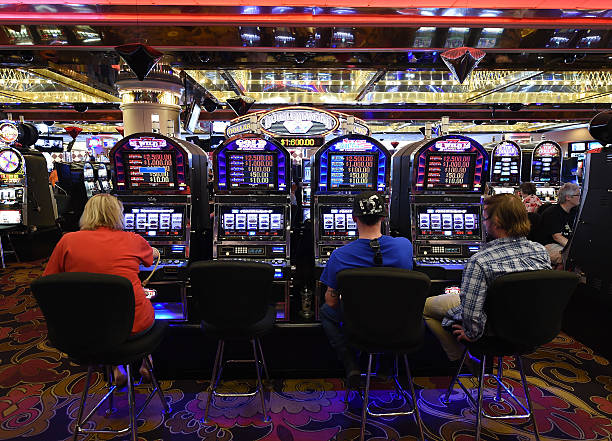
In contemporary society, casinos serve as vital social hubs that foster community interaction. They attract visitors from diverse backgrounds, promoting cultural exchange and interaction among patrons. With themed events, live performances, and dining experiences, casinos often become focal points for social gatherings. These venues thus not only provide entertainment but also promote camaraderie and networking, showcasing the integral role they play in community dynamics.
The perception of casinos has shifted as well, with many viewing them as legitimate forms of entertainment rather than mere gambling dens. This shift has allowed casinos to position themselves as inclusive spaces where people gather not just to gamble but also to enjoy various recreational activities. This cultural acceptance signifies a broader understanding of leisure and entertainment in modern society, as casinos have become synonymous with fun, excitement, and social engagement. A perfect example of this is the Pinco Bet And Casino platform, offering diverse experiences for players.
The Psychological Aspects of Gambling
The psychology behind gambling is complex and intertwined with the experiences that casinos offer. The thrill of the game, combined with the potential for financial gain, creates a unique allure that draws many individuals to casinos. This excitement is often amplified by the stimulating environments of these venues, which use lights, sounds, and themes to engage the senses and create an immersive experience. Such tactics foster a sense of escapism, allowing patrons to leave behind the stresses of daily life.
Moreover, the interplay of luck and skill in gambling plays a critical role in shaping the psychological experiences of players. While games of chance, like slots, are purely luck-based, others, such as poker, require strategic thinking and skill. This dichotomy impacts how individuals view their chances of winning and can lead to varying emotional responses, from exhilaration to frustration. Understanding these psychological facets helps in appreciating the broader cultural significance of casinos as spaces where individuals confront their perceptions of risk and reward.
However, it’s essential to recognize the potential negative impacts of gambling on mental health. For some, the thrill can lead to compulsive behaviors, with gambling addiction becoming a serious societal concern. This duality underscores the importance of responsible gambling initiatives that many casinos implement, ensuring patrons are aware of the risks while providing support for those in need. This conversation about psychological health adds layers to the cultural narrative surrounding casinos, highlighting both their celebratory and cautionary aspects.
The Economic Impact of Casinos
Casinos have a significant economic influence on local communities and regions. Beyond creating jobs directly related to casino operations, they also stimulate local businesses, from hotels and restaurants to retail stores. The influx of tourists seeking entertainment leads to increased spending in surrounding areas, contributing to the overall economic vitality of a region. For many cities, casinos serve as vital economic engines, bolstering employment rates and generating tax revenues that support public services.
Furthermore, the economic benefits extend beyond immediate financial gains. Many states and municipalities have harnessed the potential of casinos to fund essential infrastructure projects, education systems, and community development programs. This mutually beneficial relationship between casinos and local governments illustrates how well-managed gaming operations can positively impact society, turning what might be viewed as mere entertainment into a source of public funding and social improvement.
Despite these advantages, the economic implications of casinos are not without controversy. Critics argue that the social costs associated with gambling, including addiction and crime, can outweigh the financial benefits. As such, it is crucial for policymakers to balance economic development with community welfare, ensuring that the presence of casinos contributes positively to society while mitigating potential harms. This ongoing dialogue reflects the complexities of integrating casinos into the fabric of modern life.
The Cultural Representation of Casinos in Media
The portrayal of casinos in media, including film, television, and literature, has significantly influenced public perception and cultural narratives surrounding gambling. Iconic movies like “Casino” and “Ocean’s Eleven” have romanticized the casino experience, showcasing glamorous lifestyles filled with high stakes and fast-paced action. These representations often amplify the allure of gambling, shaping how society views casinos as thrilling and adventurous spaces.
However, media portrayals can also be dualistic, highlighting both the excitement and the darker aspects of gambling. Films often depict the highs of winning while also illustrating the potential downfalls, such as addiction and financial ruin. This nuanced representation encourages audiences to grapple with the complexities of gambling, fostering a deeper understanding of its societal implications. Such narratives serve not only as entertainment but also as cautionary tales that resonate with broader themes of risk, reward, and the human experience.
The cultural impact of these media representations extends to how individuals approach gambling in their lives. As societal norms evolve, so too does the narrative around casinos, reflecting changing attitudes toward risk, responsibility, and entertainment. By examining the cultural significance of casinos through the lens of media, we gain insight into the broader societal values at play, illustrating how these establishments are both celebrated and scrutinized in popular culture.

Modern Online Gambling and Its Cultural Relevance
The rise of online gambling platforms has revolutionized how people engage with casinos and gaming. Websites offering online sports betting and casino experiences have made gambling more accessible than ever before. This convenience has led to a growing interest in gambling across demographics, attracting a new generation of players who prefer the anonymity and ease of digital platforms. The cultural implications of this shift are profound, as traditional notions of community engagement in physical casinos evolve.
Online platforms, like Pinco Bet, cater to a diverse audience, providing tailored experiences that reflect contemporary preferences. With features like live dealers and interactive betting options, these platforms create immersive environments that closely mimic the excitement of physical casinos. This merging of technology with gambling has cultural ramifications, altering social interactions and the very nature of gaming as it becomes integrated into everyday digital life.
However, the expansion of online gambling also raises questions about responsibility and regulation. As more individuals engage in online betting, issues related to gambling addiction and financial management become increasingly relevant. This necessitates a cultural shift towards promoting responsible gambling practices, ensuring players are aware of the risks associated with their activities. The online gambling landscape thus mirrors the complexities found in traditional settings, reinforcing the need for societal conversations about the implications of casino culture in a digital age.