

The psychology of gambling uncovering the hidden effects on the mind
The allure of gambling and its psychological triggers
The allure of gambling lies in its unique ability to provide immediate gratification, a sensation deeply rooted in human psychology. Many individuals find themselves attracted to the thrill of taking risks, as it can trigger the release of dopamine, a neurotransmitter associated with pleasure and reward. This biochemical reaction not only enhances the excitement of gambling but also makes people more likely to repeat the behavior, reinforcing a cycle that can lead to compulsive gambling. The unpredictability of outcomes adds an element of suspense, which can be intoxicating for many players. For those interested in a new experience, the chicken subway game offers a refreshing twist on traditional gambling.
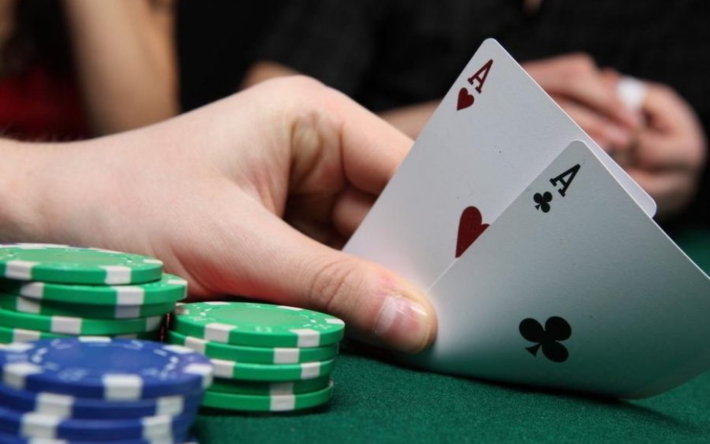
Moreover, cognitive biases play a significant role in how gamblers perceive their chances of winning. The illusion of control, for instance, leads players to believe they can influence outcomes in games of chance, such as slot machines or roulette. This false confidence can keep individuals engaged longer than they might intend, ultimately resulting in financial losses. Understanding these psychological triggers is crucial for both gamblers and those who seek to help them recognize when the fun has turned into a dangerous habit.
Social influences also contribute to the allure of gambling. Peer pressure, cultural norms, and the depiction of gambling in media can create an environment where the activity is perceived as socially acceptable, or even desirable. The excitement associated with communal gambling experiences, such as visiting a casino or participating in a sports betting event, can further amplify individual tendencies to gamble. Recognizing these psychological and social influences is essential for understanding the broader context of gambling behaviors and their impacts on mental health.
The impact of gambling on mental health
The relationship between gambling and mental health is a complex one, often characterized by a dual influence. While some may gamble for leisure, others may turn to it as a coping mechanism for stress, anxiety, or depression. This can create a dangerous feedback loop where gambling exacerbates existing mental health issues, leading to increased financial strain and social isolation. As the gambling behavior escalates, individuals may experience heightened feelings of shame and guilt, further deteriorating their mental well-being.
Additionally, research has shown that individuals with pre-existing mental health conditions are more likely to develop gambling problems. This can include conditions like ADHD, depression, and anxiety disorders, all of which can be exacerbated by the stress and chaos that often accompany gambling. The need for immediate gratification and the thrill of risk can distract from underlying issues, creating a false sense of relief that ultimately leads to deeper problems.
Furthermore, the impact of gambling on mental health extends beyond the individual. Family members and friends often bear the brunt of the emotional fallout from gambling addiction. Relationships can become strained due to financial issues, secrecy, and betrayal. The social dynamics of a person involved in gambling can shift dramatically, leading to feelings of isolation and alienation not only for the gambler but also for their loved ones. Understanding these impacts is crucial for creating effective interventions and support systems.
The role of cognitive biases in gambling behavior
Cognitive biases significantly shape how individuals approach gambling, influencing decisions in ways that often defy logic. For instance, the gambler’s fallacy— the belief that past outcomes can influence future results—can lead players to make poor betting choices. A gambler may think that a slot machine is “due” for a payout after a series of losses, despite each spin being an independent event. This bias can create a dangerous cycle of betting, ultimately leading to financial ruin.
Another critical bias is the confirmation bias, which drives individuals to seek out and remember information that supports their belief in winning. Gamblers may remember their wins more vividly than their losses, reinforcing the false notion that they are more successful than they truly are. This selective memory can perpetuate the belief that they are on the verge of a big win, encouraging continued gambling despite accumulating losses.
Moreover, the near-miss phenomenon also plays a role in perpetuating gambling behavior. Players often feel a rush when they come close to winning, even if they ultimately lose. This can create an addictive cycle, as the anticipation and excitement of a “near win” can be as compelling as an actual victory, leading players to chase those feelings repeatedly. Understanding these cognitive biases is essential for developing strategies to mitigate their effects and promote healthier gambling practices.
Strategies for responsible gambling and harm reduction
Implementing strategies for responsible gambling is critical in addressing the negative psychological effects associated with gambling. Education is one of the most effective tools for fostering awareness around the risks involved. Providing individuals with information about the odds of winning, as well as the potential emotional and financial consequences of gambling, can empower them to make informed decisions. It is essential to understand that gambling should be viewed as a form of entertainment rather than a way to make money.
Additionally, setting limits on time and money spent gambling can serve as a practical strategy to mitigate the potential for addiction. Many online platforms now offer features that allow users to set deposit limits, timeouts, and self-exclusion options. Encouraging individuals to take regular breaks during gambling sessions can also help reduce impulsive betting behaviors and promote a healthier relationship with gambling.
Peer support and counseling are also vital components of responsible gambling strategies. Support groups, such as Gamblers Anonymous, provide a space for individuals to share experiences and receive encouragement from others facing similar challenges. Professional counseling can assist individuals in addressing underlying mental health issues that may contribute to their gambling behavior. Such comprehensive approaches not only aim to reduce gambling-related harm but also foster a more positive mental health environment for those affected.

Exploring Chicken Subway: A modern take on gambling
Chicken Subway represents a contemporary evolution in the gambling landscape, blending skill with chance in a unique gaming experience. Unlike traditional casino games, where outcomes are purely luck-based, Chicken Subway encourages players to navigate challenges while making strategic decisions about their bets. This added layer of skill can appeal to a broader audience, enticing both casual players and serious gamblers. The real-time decision-making involved in Chicken Subway provides an engaging alternative that keeps players on their toes.
Moreover, Chicken Subway’s mobile optimization ensures that players can enjoy the game wherever they go, making it a convenient option for those looking for quick entertainment. The high return-to-player (RTP) rates add to its attractiveness, allowing players to feel more confident about their chances of winning. However, even in this more dynamic format, the psychological factors associated with gambling still apply, making it essential for players to remain aware of their behaviors and set limits.
Ultimately, Chicken Subway exemplifies the balance between fun and risk that defines modern gambling experiences. It invites players to engage in a thrilling adventure while highlighting the importance of responsible gambling practices. By creating an enjoyable gaming atmosphere that encourages strategic thinking, Chicken Subway not only entertains but also encourages players to be mindful of their gambling habits, paving the way for a healthier approach to wagering.